
When it comes to pre-dinner rituals, few traditions are as timeless as the aperitif or aperitivo. While they are often used interchangeably, as stated by Martini’s Guide to an Aperitivo: each custom reflects a shared purpose yet embodies a distinct cultural approach to food, drink and the rhythm of the evening.
Understanding the difference between aperitifs and aperitivos isn’t about rules or technical correctness. It’s about finding the ritual that best suits your taste, lifestyle and how you enjoy connecting with others. Whether you lean more toward the structured elegance of the French aperitif, the relaxed sociability of the Italian aperitivo, or the sun-soaked ease of a Spanish pre-dinner drink, each approach sets a different tone for how the evening unfolds
At their core, aperitifs and aperitivos share the same purpose: pre-dinner drinks intended to awaken the palate and prepare the body for food. The word itself comes from the Latin “aperire”, meaning “to open.”
Yet, while the intention is shared, the way each custom is expressed varies significantly by place and how the ritual is experienced.
The aperitif is most closely associated with French tradition, the aperitivo is firmly rooted in Italian culture and Spain offers its own interpretation of the pre-dinner ritual, one that naturally combines drink, food and socialising.
The French Aperitif
The French aperitif is typically defined by its elegance, restraint and intention. Traditionally served before a formal meal, it focuses on balance and appetite stimulation with an emphasis on the drink itself, rather than extended snacking.
Common characteristics include:
Classic French aperitifs include vermouths, gentian-based drinks and herbal wines. The focus is on balance and restraint, offering a short pause that signals the transition from day to evening.
The Italian Aperitivo
An Italian aperitivo, however, is inherently social, serving not only as a drink but as a moment of connection.
Typically enjoyed from late afternoon into early evening, the aperitivo often features small plates or light bites and is enjoyed at a relaxed pace. It places less emphasis on formality and more on shared connection.
Key elements of an Italian aperitivo include:
In Italy, the aperitivo is as much about the value of conversation and presence as it is about the drink itself.
The Spanish Pre-Dinner Drink
Spain offers a more fluid interpretation of the pre-dinner drink, often enjoyed alongside tapas. Rather than following a fixed ritual, it flows naturally into everyday social life.
A Spanish drink before dinner might be:
This approach prioritises ease and sociability, where drinks and food are enjoyed as part of the same moment.
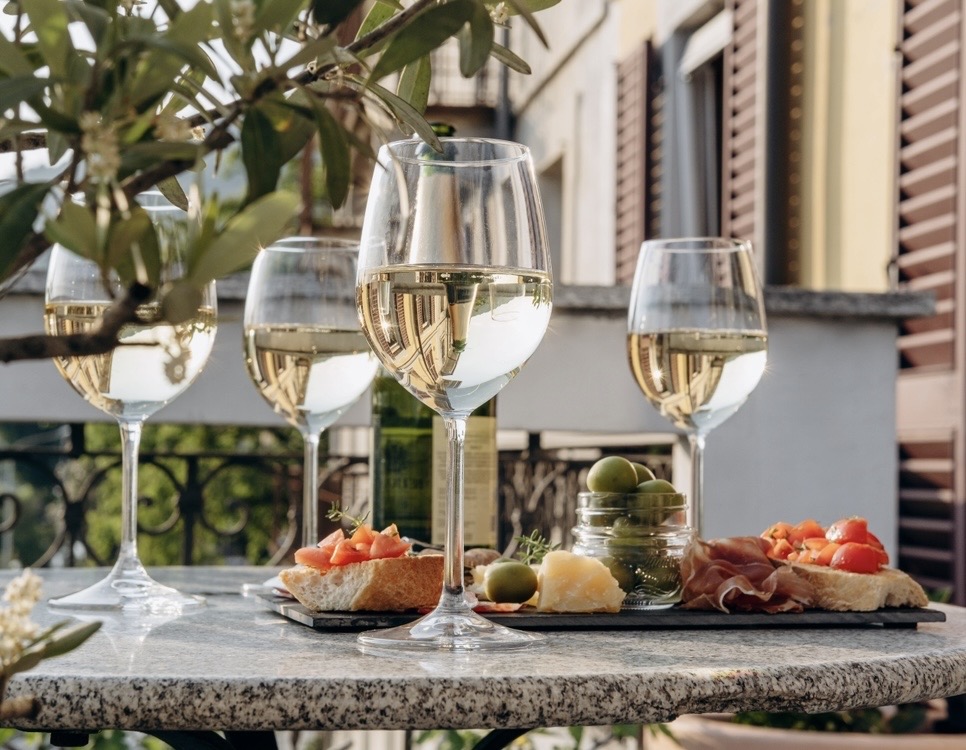
Beyond the cultural origins and traditions behind aperitifs and aperitivos, one of the clearest ways to understand their differences is through flavour.
Aperitifs are typically:
They are designed to stimulate the appetite without overwhelming the palate.
Aperitivos are characterised by:
Often crafted to be sipped slowly and enjoyed in a social setting.
Both customs rely heavily on botanicals, bitterness and balance, qualities that also translate beautifully into modern, alcohol-free expressions.
As interest in mindful drinking continues to grow, both aperitifs and aperitivos are being thoughtfully reimagined without alcohol, while preserving their character and purpose.
Alcohol-free expressions continue to deliver versions that retain:
This evolution makes aperitifs and aperitivos more inclusive, versatile and naturally aligned with modern lifestyles.
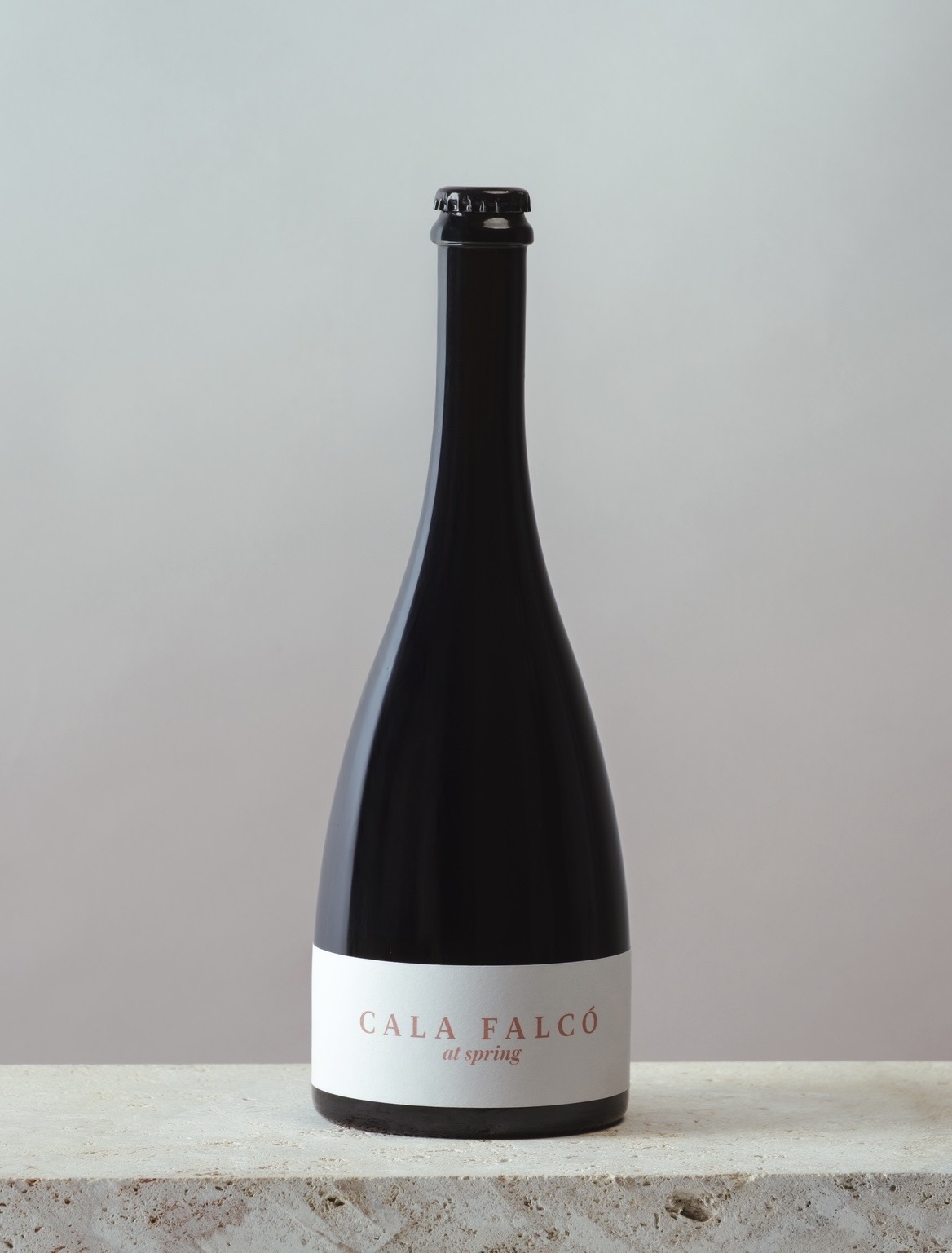
Cala Falco at Spring draws from its Mediterranean heritage as a Spanish aperitivo. Rather than adhering to fixed traditions, Cala Falco at Spring reflects an approach to pre-dinner drinking that feels effortless, social and closely connected to nature.
Crafted using 100% natural organic botanicals, Cala Falco at Spring reimagines the aperitivo without alcohol, preserving the essence of the tradition while aligning it with modern ways of living The blend:
Intended to be sipped slowly and shared freely. Cala Falco at Spring invites a moment of pause before the evening unfolds. It encourages connection with nature, awakens your senses and nourishes your soul, capturing the ease of a Spanish pre-dinner drink, all without alcohol.
Choosing between an aperitif or aperitivo is less about geography and more about intention. It’s about how you want to ease into the evening.
Ask yourself:
Choose an aperitif if you value:
Choose an aperitivo if you value:
Modern, alcohol-free aperitivos like Cala Falco at Spring bring these traditions together, balancing ritual with ease, without all of the downsides of alcohol.
Aperitifs are typically associated with French tradition and tend to be drier and more structured, while aperitivos are Italian, more social and often paired with food.
An aperitivo is the Italian expression of the aperitif tradition, with a stronger focus on socialising.
Absolutely, modern alcohol-free aperitivos retain bitterness, botanicals and ritual without relying on alcohol.
Spain doesn’t use a single term, but the pre-dinner drink is often enjoyed with tapas and integrated into social life.
Serve chilled, with a simple garnish, and allow time to pause and ease into the evening.

